Wildlife in the British Countryside: What You Might See and How to Spot It
The British countryside supports surprising wildlife diversity, from mammals and birds to insects and amphibians. Spotting these creatures requires patience, knowledge, and respect, but rewards observant visitors with memorable encounters.
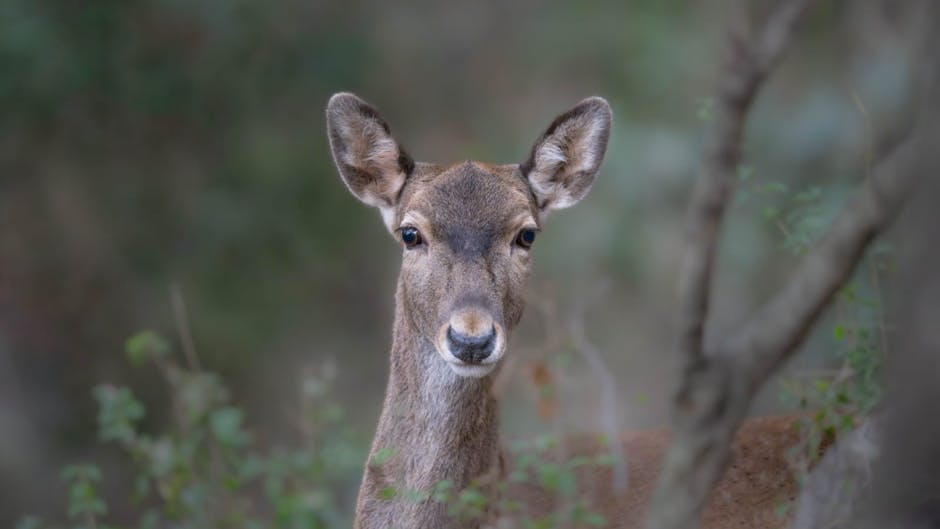
Mammals are often elusive. Deer are increasingly common across rural Britain; you might see fallow, roe, muntjac, or sika deer depending on region. Early morning and dusk are best for observation. Badgers are nocturnal and rarely seen, though their distinctive setts (burrows) and trails reveal their presence. Foxes, once purely rural, now inhabit villages and suburbs. Rabbits and hares are more visible, particularly in open grassland. Smaller mammals like hedgehogs, shrews, and voles are abundant but rarely observed without dedicated night watching.
Birds are the most visible wildlife. Raptors like red kites, buzzards, and sparrowhawks hunt over farmland and moorland. Herons fish in rivers and ponds. Songbirds fill woodlands with sound—robins, blackbirds, thrushes, and finches are common. Waders like lapwings and curlews nest in upland areas. Coastal regions host seabirds including gulls, cormorants, and puffins. Migrating species pass through seasonally, making spring and autumn particularly rewarding for birdwatching.
Seasonal patterns matter. Spring brings nesting birds, emerging mammals, and flowering plants attracting insects. Summer offers active wildlife and long daylight hours for observation. Autumn migration brings visiting species. Winter reveals landscape structure and concentrates wildlife around remaining food sources.
Insects often overlooked are incredibly diverse. Butterflies and moths depend on specific plants; finding them requires knowing their food plants. Dragonflies and damselflies indicate healthy water bodies. Bees, essential for pollination, visit flowering plants. Beetles, spiders, and other invertebrates form the foundation of food chains supporting larger animals.
Amphibians and reptiles are present but cryptic. Frogs and toads breed in ponds and ditches during spring. Newts inhabit wetlands. Grass snakes are harmless and occasionally seen near water. Slowworms, often mistaken for snakes, are actually legless lizards found in gardens and rough ground.
Responsible wildlife watching follows key principles. Observe from distance using binoculars or telephoto lenses rather than approaching animals. Move quietly and slowly—sudden movements startle wildlife. Avoid disturbing nesting birds or dens. Don't feed wild animals; it creates dependency and changes natural behaviour. Respect private property and access restrictions.
Learn before you go. Field guides, local naturalist groups, and online resources help you identify species and understand their habits. Joining wildlife surveys contributes valuable data whilst deepening your knowledge.
Wildlife observation connects you to the living systems sustaining the countryside and reveals the landscape's hidden inhabitants.