Understanding British Rural Landscapes: A Beginner's Guide
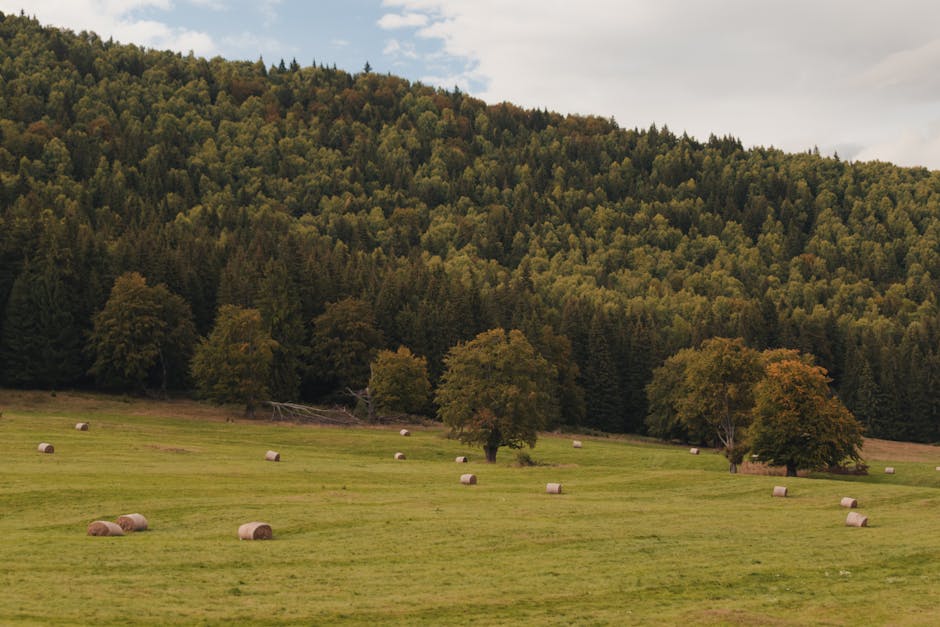
Britain's countryside is remarkably varied, shaped by centuries of history, geology, and land management. Whether you're planning to visit rural areas, move to the country, or simply want to understand the landscape better, knowing the basics helps you appreciate what you're seeing.
The British countryside can be divided into several distinct landscape types. In the north and west, you'll find moorlands—open, rolling terrain with low vegetation, heather, and sparse trees. These areas, common in Scotland, Wales, and parts of northern England, are often used for sheep farming and game shooting. The south and central regions feature more intensively farmed lowlands with hedgerows, woodland, and patchwork fields that have been cultivated for generations.
Hedgerows deserve special mention, as they're a defining feature of the English and Welsh landscape. These living boundaries between fields serve multiple purposes: they prevent soil erosion, provide habitats for wildlife, and create the picturesque pattern you see from train windows. Many date back to medieval times, making them both ecologically and historically significant.
Water features are equally important. Rivers, streams, and drainage ditches shape how the land is used. In lowland areas, you'll notice deliberate field drainage systems, whilst upland regions feature fast-flowing rivers cutting through valleys. Lakes and ponds, whether natural or man-made, add character and support diverse wildlife.
Trees and woodland also vary significantly. Ancient broadleaf woodlands, particularly in southern England, contain oak, beech, and ash trees hundreds of years old. Coniferous plantations, more common in Scotland and Wales, were established throughout the 20th century for timber production. Understanding which trees grow naturally in your region tells you much about the underlying soil and climate.
Finally, notice how settlements are positioned. Villages typically cluster around water sources, historic routes, or defensible positions. This isn't random—centuries of practical experience determined where communities thrived. Church spires often mark village centres, serving as landmarks in otherwise open countryside.
Next time you're exploring rural Britain, take a moment to observe these elements. The seemingly natural landscape is actually a carefully managed system, shaped by both nature and human activity over millennia. This understanding deepens your appreciation of the British countryside and the people who steward it.