The Changing Face of British Farming: Modern Challenges and Innovations
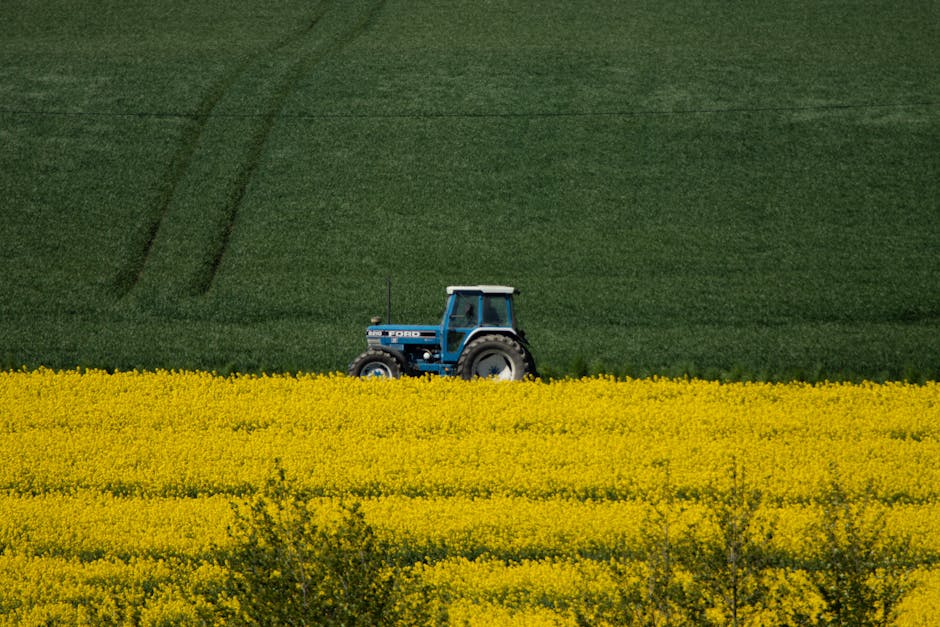
British farming stands at a crossroads. For centuries, it shaped the rural landscape and fed the nation, but modern farmers face unprecedented challenges—from climate change and soil degradation to market pressures and workforce shortages. Understanding these issues helps you appreciate the countryside differently.
The farming landscape has transformed dramatically. Fifty years ago, mixed farms with diverse crops and animals were common. Today, most farms specialise: arable farms grow crops, livestock farms raise animals, and dairy operations focus on milk production. This specialisation increases efficiency but reduces biodiversity and makes farms more vulnerable to market fluctuations and disease.
Environmental pressures are mounting. Intensive farming practices have degraded soil quality across much of Britain. Chemical fertilisers and pesticides, essential for high yields, harm wildlife and pollute waterways. Climate change brings unpredictable weather, from drought to flooding, disrupting traditional farming calendars. Farmers increasingly recognise these problems and seek solutions, but change requires investment and knowledge transfer.
Economic pressures squeeze farmers hard. Input costs—fuel, feed, fertiliser—have risen dramatically. Supermarkets demand cheap food, keeping farm prices low. Smaller farms particularly struggle; the number of UK farms has declined by roughly half since 1990. Young people increasingly avoid farming as a career, creating generational challenges as experienced farmers retire.
Innovative solutions are emerging. Regenerative agriculture focuses on building healthy soil through reduced tillage, cover crops, and integrated livestock management. Precision farming uses GPS, sensors, and data analysis to optimise inputs, reducing waste and environmental impact. Organic farming, though more labour-intensive, commands premium prices and builds soil health. Diversification—adding farm shops, tourism, renewable energy, or value-added products—helps farmers survive economically.
Technology offers possibilities. Drones monitor crop health and identify problems early. Automated systems reduce labour needs. Genetic research develops crop varieties suited to changing climate. However, technology requires capital investment many farms can't afford, potentially widening the gap between large and small operations.
Policy changes are significant. Post-Brexit agricultural policy is shifting away from subsidising production towards paying for environmental outcomes. This could incentivise farmers to prioritise wildlife, soil health, and carbon sequestration. However, the transition period creates uncertainty.
The future of British farming depends on balancing productivity, profitability, and environmental stewardship. Supporting local food systems, buying direct from farmers, and understanding agricultural realities helps rural communities thrive.